
Hugo Spritz: Light, Fresh, and Simple Elderflower Prosecco Drink
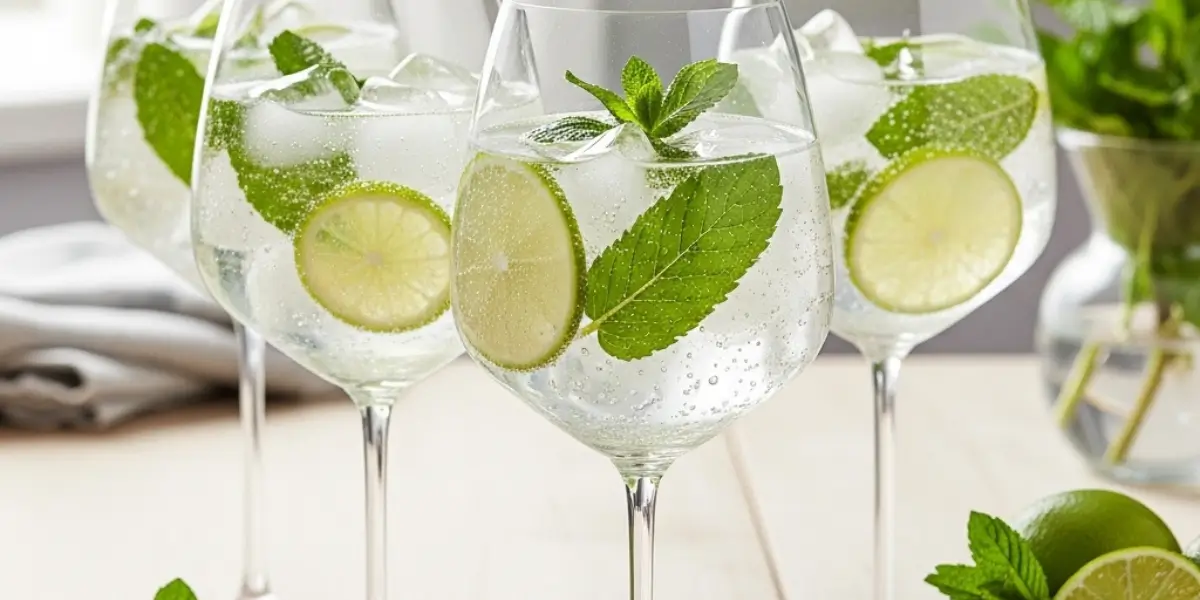
Picture this: You’re sitting on a sun-drenched piazza in Northern Italy, the air is warm, and the Dolomites stand tall in the distance. The waiter brings you a tall, elegant glass filled with a pale, effervescent liquid, adorned with a sprig of fresh mint and a slice of lime. It’s not the bright orange Aperol Spritz you might expect. It’s something lighter, more floral, and utterly captivating. This is the Hugo Spritz. The first sip is a revelation a burst of fresh elderflower, the zing of lime, and the gentle herbaceous note of mint, all lifted by sparkling bubbles. It’s less bitter than its famous cousin, more aromatic, and impossibly refreshing. I knew right then I had to master the perfect Hugo Spritz recipe back home.
If you love a good spritz but are looking for a less bitter, more floral alternative, you’ve come to the right place. This comprehensive guide will walk you through everything you need to know about this stunning Alpine cocktail. We’ll explore its history, break down the perfect Hugo Spritz recipe, and share expert tips to ensure your homemade version rivals those served in Italian cafes. This isn’t just a cocktail; it’s a taste of la dolce vita.
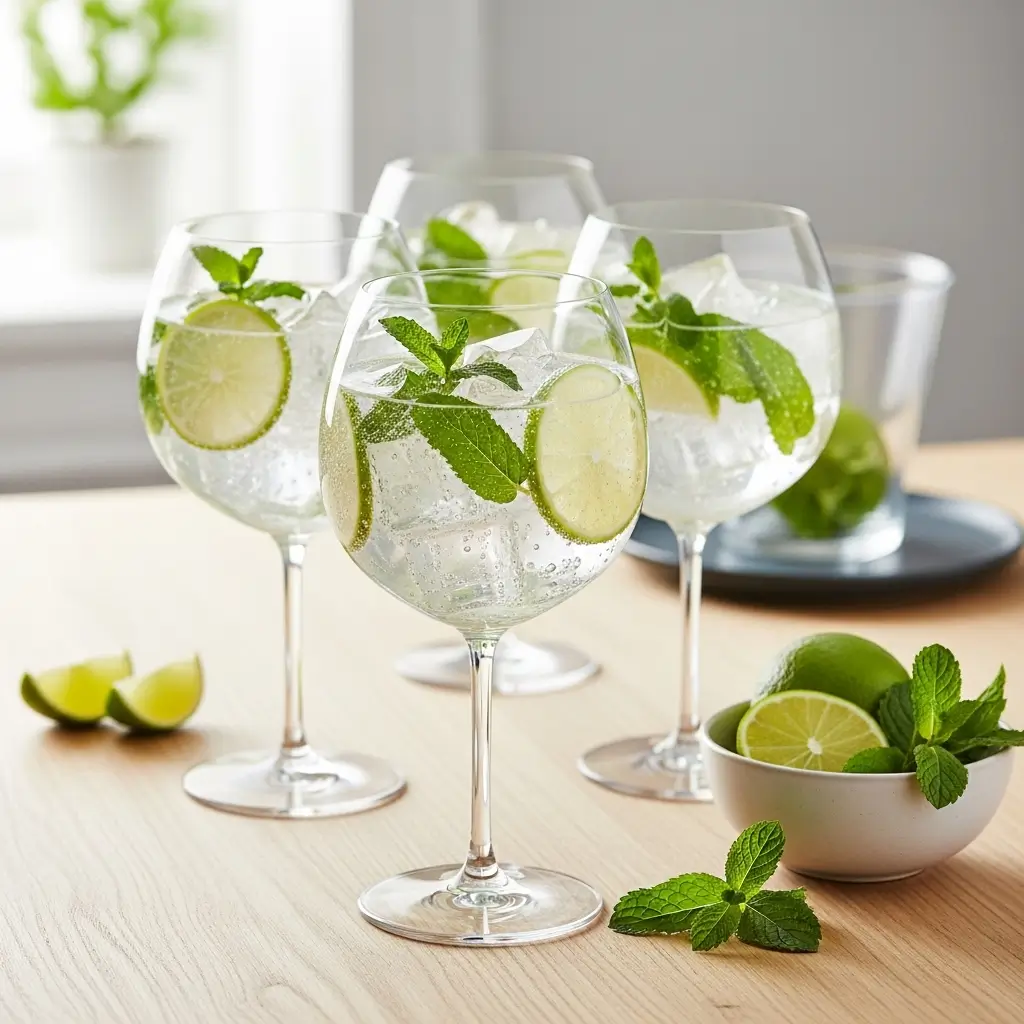

Easy Hugo Spritz recipe
Ingredients
Method
- Fill a large wine glass with ice cubes.
- Add mint leaves and lightly press to release aroma.
- Pour in elderflower syrup, then add chilled Prosecco.
- Top with soda water and stir gently to mix.
- Garnish with a lime slice and a sprig of mint. Serve immediately.
What is a Hugo Spritz? A Refreshing Twist on an Italian Classic
Before we dive into mixing, let’s understand what makes this drink so special. The Hugo Spritz recipe is a relatively modern classic that has taken Europe by storm and is now gaining well-deserved popularity worldwide. Its charm lies in its simplicity and its uniquely refreshing profile.
The Origins of the Hugo Cocktail
Unlike centuries-old cocktails, the Hugo is a 21st-century creation. It was invented in the early 200s by bartender Klaus Strobl in the South Tyrol region of Northern Italy. South Tyrol, with its blend of Austrian and Italian cultures, is the perfect birthplace for a drink that combines Italian Prosecco with Alpine elderflower.
Hugo vs. Aperol Spritz: What’s the Difference?
It’s the question on everyone’s mind. While both are iconic Italian spritzes, they are distinct experiences. Getting the Hugo Spritz recipe right means understanding these differences.
| Feature | Hugo Spritz | Aperol Spritz |
|---|---|---|
| Base Spirit | Elderflower Liqueur (e.g., St-Germain) | Aperol (Bitter Aperitivo) |
| Primary Flavor | Floral, Sweet, Citrusy | Bitter, Orange, Herbal |
| Color | Pale, Straw-Yellow | Vibrant Orange |
| Alcohol Content | Lower | Moderate |
| Best For | Those who prefer sweet & floral over bitter | Those who enjoy a classic bitter profile |
As you can see, the core of the Hugo Spritz recipe is the elegant elderflower liqueur, which provides a fragrant sweetness absent in the quinine-driven Aperol.
Crafting the Perfect Hugo Spritz Recipe: Ingredients & Proportions
The beauty of the Hugo Spritz recipe is its simplicity. You only need a handful of high-quality ingredients to create magic in a glass. Let’s gather our components and get mixing.
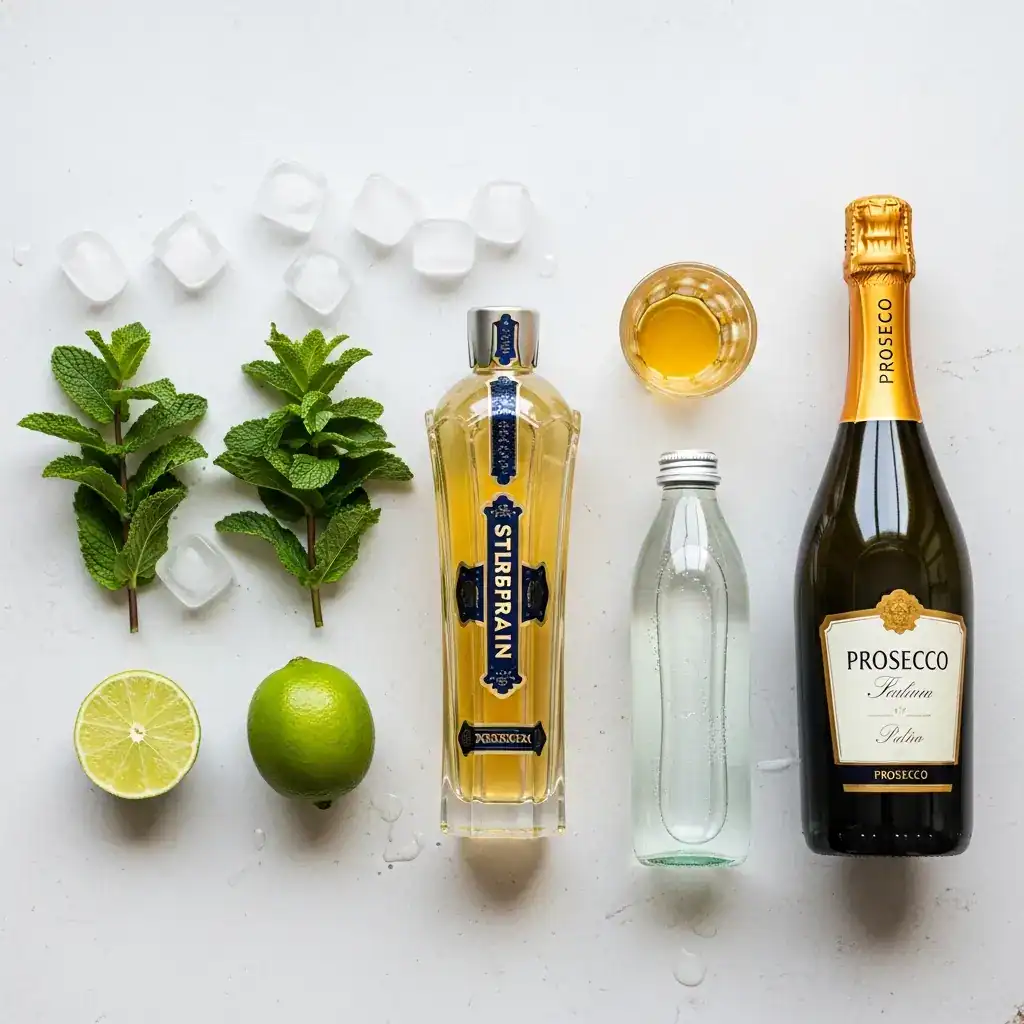
The Essential Hugo Spritz Ingredients
Quality matters here. Since there are so few ingredients, each one plays a starring role. Using fresh, high-quality components is the secret to an unforgettable Hugo Spritz recipe.
| Ingredient | Quantity | Notes & Purpose |
|---|---|---|
| Prosecco | 4 oz (120 ml) | The effervescent backbone. Use a good-quality, dry (Brut) Prosecco. |
| Elderflower Liqueur | 1 oz (30 ml) | The star of the show. St-Germain is the classic choice. |
| Soda Water | 1 oz (30 ml) | Adds a refreshing lift and lightens the cocktail. |
| Fresh Lime | 2-3 slices | Provides essential citrus zing. |
| Fresh Mint | 4-5 leaves + a sprig | Adds the signature herbaceous aroma. |
| Ice Cubes | To fill the glass | Keeps the drink frosty cold. |
The Step-by-Step Method to Perfection
Now for the fun part. Making this Hugo Spritz recipe is incredibly straightforward, but a few key techniques will elevate it from good to extraordinary.
- Prepare the Glass: Start with a large wine glass or a classic balloon spritz glass. This gives the aromas room to bloom and makes for a beautiful presentation.
- Muddle the Mint & Lime: Gently place the mint leaves and one slice of lime in the bottom of the glass. Using a muddler or the back of a spoon, gently press and twist to release the mint oils and lime juice. Do not shred the mint, as this can make it bitter. You’re aiming for a fragrant release, not a pulverization.
- Build the Drink: Fill the glass generously with ice cubes. Then, pour in the 1 oz of elderflower liqueur over the ice.
- Add the Bubbles: Top the glass with 4 oz of chilled Prosecco, followed by 1 oz of soda water.
- Garnish and Serve: Give the drink a very gentle stir to combine the layers. Garnish with the remaining lime slice and a beautiful sprig of fresh mint. Serve immediately and enjoy the crisp, floral effervescence of your perfect Hugo Spritz recipe.
Mastering Your Hugo: Expert Tips & Creative Variations
Once you’ve mastered the classic Hugo Spritz recipe, you can start to play and personalize. Here are some pro tips and delicious twists to keep your spritz game strong.
Pro Tips for the Best Hugo Spritz Every Time
- Chill Everything: Ensure your Prosecco, soda water, and even the glass are well-chilled before you start. This prevents the ice from melting too quickly and diluting your beautiful Hugo Spritz recipe.
- Gentle Muddling is Key: Over-muddling the mint is the most common mistake. It releases chlorophyll, which tastes grassy and bitter. A gentle press is all you need.
- Don’t Stir Vigorously: A gentle stir is enough to incorporate the ingredients. Aggressive stirring will knock the carbonation out of your Prosecco and soda, leaving you with a flat drink.
- Taste and Adjust: The provided Hugo Spritz recipe is a perfect classic ratio, but taste is personal. If you prefer it sweeter, add a touch more elderflower liqueur. If you want it lighter, add more soda water.
Delicious Hugo Spritz Recipe Variations to Try
The classic Hugo Spritz recipe is divine, but don’t be afraid to get creative.
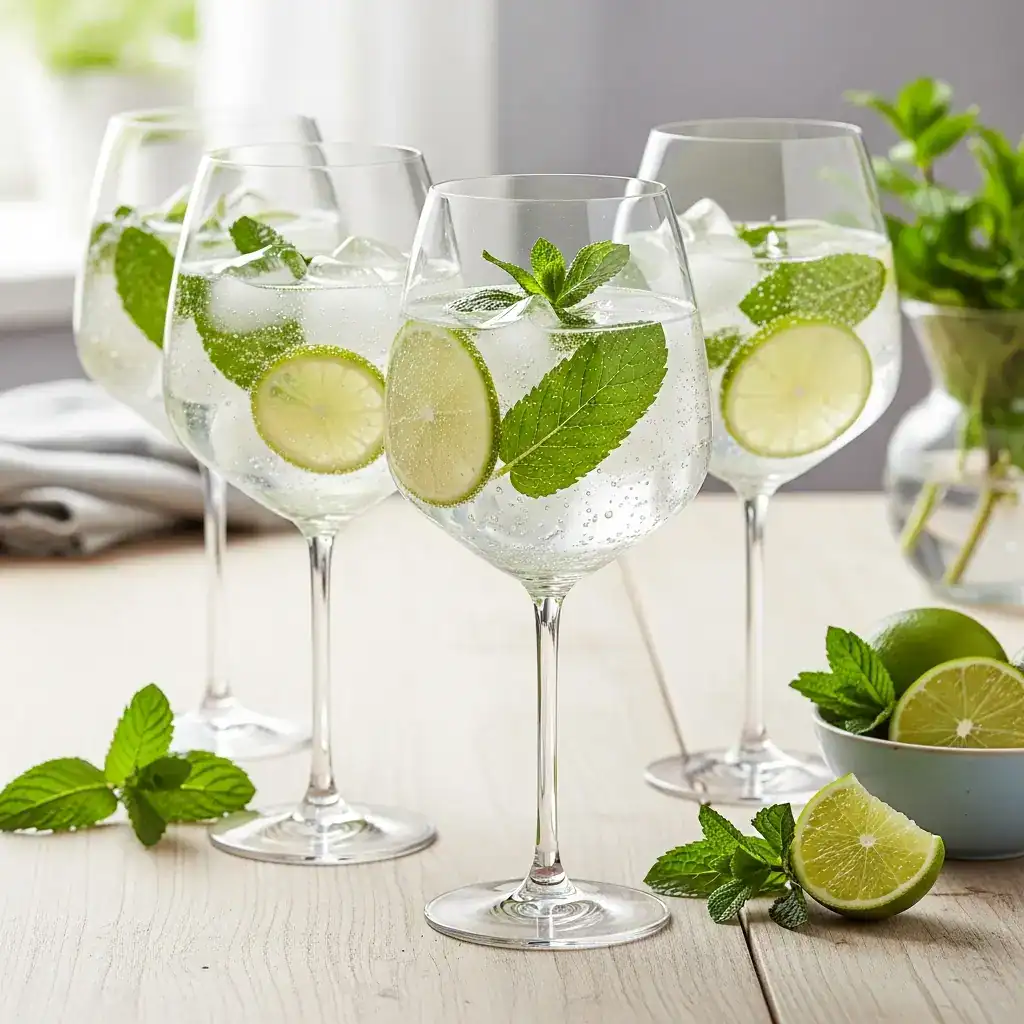
- The Hugo Hugo: For an extra-herbal kick, substitute the soda water with a German or Austrian herbal lemonade like “Bionade Holunder” or “Club-Mate.” This is an authentic variation popular in its region of origin.
- Berry Hugo: Add a handful of fresh raspberries or crushed strawberries when you muddle the mint and lime. The berries add a beautiful color and a lovely fruity sweetness.
- Non-Alcoholic Hugo: You can absolutely create a stunning alcohol-free version of this Hugo Spritz recipe. Simply replace the Prosecco with non-alcoholic sparkling wine or even a dry, non-alcoholic ginger beer, and use an alcohol-free elderflower cordial instead of the liqueur. The result is just as sophisticated and refreshing.
Conclusion: Your Go-To Drink for Sunny Days
The Hugo Spritz recipe is more than just a list of ingredients; it’s a passport to a relaxed, sunny state of mind. It’s effortlessly elegant, incredibly easy to make, and offers a uniquely refreshing flavor profile that stands out in the world of cocktails. With its blend of floral elderflower, zesty lime, aromatic mint, and lively bubbles, it’s the perfect drink for garden parties, summer evenings, or anytime you want to treat yourself to a little taste of Italy.
So, gather your ingredients, follow this Hugo Spritz recipe, and raise a glass to simple, beautiful pleasures. Once you try it, you’ll understand why this is the ultimate summer sipper.
Frequently Asked Questions (FAQ)
What is the key to a good Hugo Spritz recipe?
The key to a good Hugo Spritz recipe is using high-quality, chilled ingredients and muddling the mint and lime gently. Over-muddling the mint will make it bitter, and using warm Prosecco will result in a flat, diluted drink. The balance between the floral elderflower, sharp lime, and aromatic mint is what makes this cocktail so special.
Can I make a non-alcoholic Hugo Spritz recipe?
Absolutely! A non-alcoholic Hugo Spritz recipe is wonderfully easy and delicious. Simply substitute the Prosecco for a non-alcoholic sparkling wine or a crisp sparkling water, and use an alcohol-free elderflower cordial. Follow the same muddling and building steps for a refreshing, sophisticated mocktail that everyone can enjoy.
What can I use instead of St-Germain in a Hugo Spritz recipe?
If you don’t have St-Germain, you can use another brand of elderflower liqueur. The flavor profile might vary slightly, but it will work well. For a more budget-friendly option in your Hugo Spritz recipe, you can use a high-quality elderflower syrup or cordial. If using a syrup, start with a smaller amount (about 1/2 oz) and adjust to your taste, as syrups can be sweeter than liqueurs.
Now it’s your turn! We’d love to hear how your Hugo Spritz turned out. Share your experience or your own creative variations in the comments below. Cheers!
Are You Try This Recipe ?
There are no reviews yet. Be the first one to write one.

