
The Ultimate Guide to Making Ube Roll Cake: A Showstopping Filipino Dessert
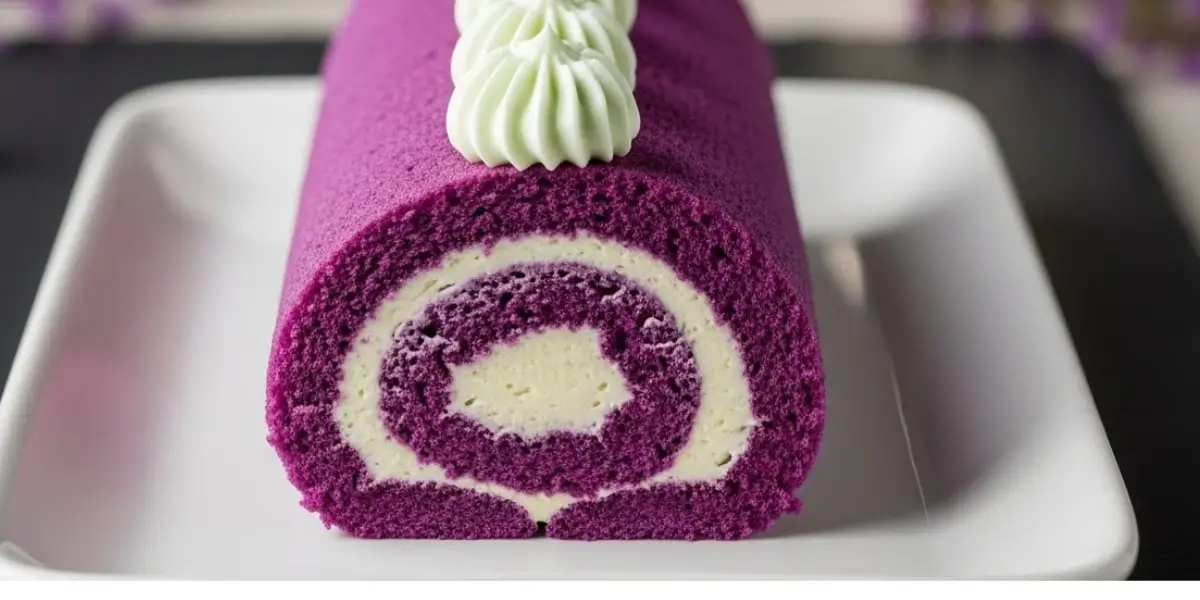
There’s something undeniably magical about slicing into a ube roll cake for the first time. The vibrant purple swirl against the golden sponge creates a moment of pure delight—not just for your eyes, but for your entire culinary experience. If you’ve ever scrolled through social media and been mesmerised by these Instagram-worthy desserts, you’re not alone.
Ube roll cake has become a beloved staple at celebrations, bakeries, and home kitchens across the globe, yet many home bakers feel intimidated by the prospect of making one themselves. The good news? Creating a stunning ube roll cake is far more achievable than you might think, and by the end of this guide, you’ll have all the knowledge and confidence you need to bake one that rivals any professional bakery.

Ube Roll Cake
Ingredients
Method
- Step 1 – Prepare Your Workspace:
- Preheat your oven to 350°F (175°C). Line a 10×15-inch baking sheet with parchment paper and set aside. Gather all ingredients and bring eggs to room temperature.
- Step 2 – Separate and Beat Eggs:
- Carefully separate egg whites from yolks into two bowls. In the bowl with yolks, whisk together yolks, ube extract, vanilla extract, and melted butter until well combined. Add 1-2 drops of purple food coloring if needed for deeper color.
- Step 3 – Prepare Dry Ingredients:
- In a separate bowl, sift together flour, cornstarch, and salt. Gently fold the dry ingredients into the egg yolk mixture until just combined. Do not overmix.
- Step 4 – Whip Egg Whites:
- In a clean bowl, beat egg whites with an electric mixer on medium-high speed until foamy. Gradually add the remaining sugar (about 1/2 cup) while continuing to beat until stiff peaks form, approximately 3-5 minutes.
- Step 5 – Combine Wet and Dry Mixtures:
- Gently fold the whipped egg whites into the ube yolk mixture in three additions, being careful to preserve the airiness. Fold until just combined with no streaks of white remaining.
- Step 6 – Bake the Cake:
- Pour the batter into your prepared baking sheet and spread evenly. Bake for 12-15 minutes until the cake is set but still tender. The cake should spring back lightly when touched.
- Step 7 – Cool and Prepare for Rolling:
- Remove from oven and let cool for 5 minutes. Turn the warm cake out onto a clean piece of parchment paper. Carefully peel away the parchment it baked on. Allow to cool to room temperature.
- Step 8 – Make Your Filling:
- While cake cools, prepare your filling. For whipped cream filling: whip 2 cups heavy cream with 1/2 cup powdered sugar and 1 teaspoon ube extract until stiff peaks form.
- Step 9 – Spread Filling:
- Once cake is completely cooled, spread filling evenly over the entire surface, leaving a thin strip (about 1/2 inch) along the top long edge unfilled.
- Step 10 – Roll the Cake:
- Using the parchment paper to assist you, tightly roll the cake from the bottom long edge, being careful not to squeeze filling out. Roll slowly and steadily for a uniform shape.
- Step 11 – Chill and Set:
- Wrap the rolled cake in parchment paper and refrigerate for at least 2 hours to allow it to set properly. This chilling time is crucial for clean slicing.
- Step 12 – Slice and Serve:
- Using a sharp serrated knife dipped in hot water (wiped clean between slices), carefully slice the ube roll cake into individual servings. Dust with powdered sugar if desired and serve chilled.
What Is Ube Roll Cake and Why Should You Care?
Ube roll cake is a Filipino-inspired dessert that combines the delicate technique of Swiss roll baking with the distinctive purple yam flavour that has captivated dessert lovers worldwide. At its heart, an ube roll cake consists of a thin, flexible sponge cake infused with ube, rolled with a creamy filling—typically ube-flavoured whipped cream or buttercream—and dusted with powdered sugar or topped with frosting. What makes this dessert particularly special is the harmonious blend of textures: the tender, moist cake paired with silky filling creates an indulgent experience that’s light enough to enjoy by the slice yet satisfying enough to be the star of any dessert table.
The rise of ube roll cakes’ popularity can be attributed to both the Filipino diaspora’s celebration of their culinary heritage and the global food community’s growing appreciation for unique, globally-inspired flavours. Unlike traditional vanilla Swiss rolls, ube roll cake offers an earthy sweetness with subtle nutty undertones that make it distinctly memorable.
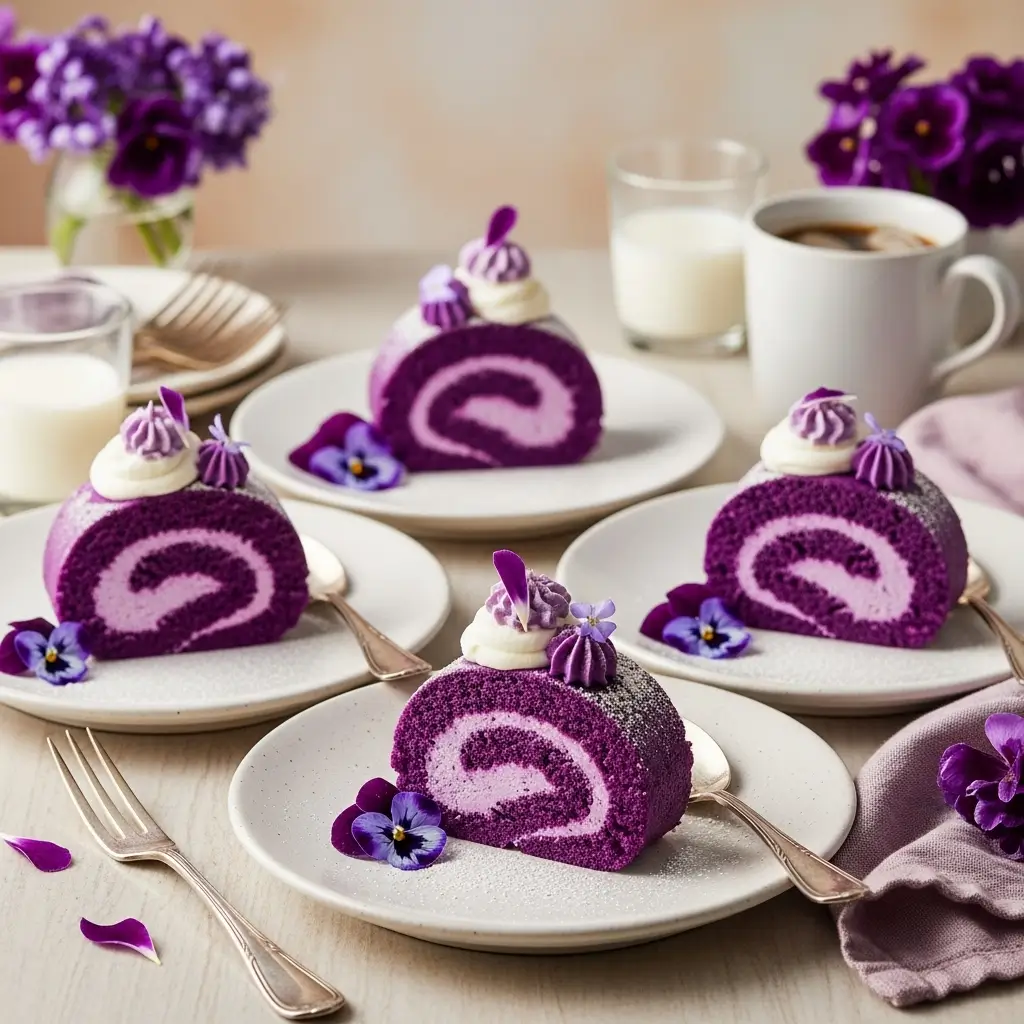
Mastering the Ube Sponge Cake Foundation
The sponge cake is the backbone of any exceptional ube roll cake, and mastering this component is essential for success. A properly executed sponge should be thin enough to roll without cracking, yet sturdy enough to hold its shape and support the filling.
The Science Behind the Perfect Ube Sponge
Creating the ideal sponge cake for rolling requires understanding how ingredients work together. You’ll need whipped egg whites to provide lift and structure, while egg yolks contribute richness and moisture. The key is achieving the right balance—too many eggs and your cake becomes dense; too few and it becomes brittle and prone to cracking when rolled. Most traditional recipes use a ratio of approximately 4-5 eggs per half cup of flour. The inclusion of ube extract or fresh ube puree gives the cake its signature colour and flavour, though achieving that vibrant purple hue sometimes requires food colouring as well, since natural ube can vary in intensity depending on your source.
Temperature control is equally crucial during the baking process. Your oven should be preheated to a consistent 350°F (175°C), and the cake should bake for 12-15 minutes until it’s set yet still tender. Overbaking is the enemy of a successful roll cake—even a few minutes too long in the oven can result in a cake that’s too dry and inflexible to roll without cracking.
Essential Ingredients for the Perfect Ube Sponge
To create your ube sponge cake foundation, gather these ingredients: five large eggs (separated), half a cup of all-purpose flour, half a cup of cornstarch, three-quarter cup of granulated sugar (divided), one and a half teaspoons of ube extract (or two tablespoons of fresh ube puree), half a teaspoon of vanilla extract, one-quarter teaspoon of salt, and purple food coloring if needed to intensify the hue. Some bakers add one to two tablespoons of melted butter for extra richness, though this is optional and can sometimes make rolling slightly more challenging.
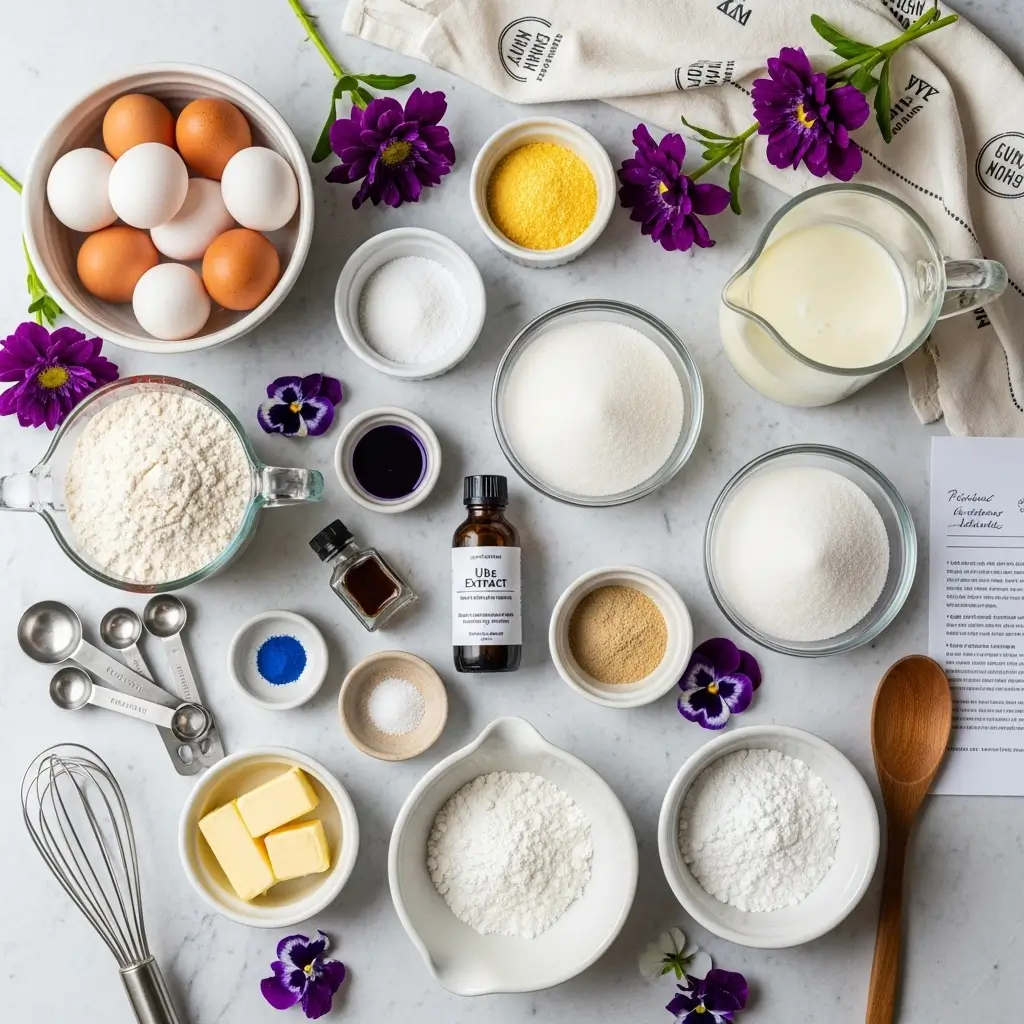
The combination of flour and cornstarch creates a structure that’s sturdy enough to support filling while remaining delicate and tender. Cornstarch, in particular, produces an incredibly fine crumb that’s less likely to tear when rolling. When measuring flour, use the spoon-and-level method rather than scooping directly from the bag, as this prevents packing too much flour into your cup.
Creating the Ultimate Ube Filling and Assembly
An exceptional ube roll cake is only as good as its filling, and this is where you can truly customise your creation to suit your preferences. The filling should be smooth, spreadable, and flavorful enough to complement the delicate cake without overwhelming the palate.
The Filling Options: Finding Your Favourite
Your primary options for ube roll cake filling include whipped ube cream, ube buttercream, and mascarpone-based ube filling. Whipped ube cream—made from heavy whipping cream, powdered sugar, and ube extract—is lighter and less sweet, making it ideal if you prefer a more delicate dessert. This option works beautifully with the tender sponge and pairs especially well if you plan to dust the finished roll with powdered sugar rather than frosting the exterior. To make whipped ube cream, simply whip cold heavy cream with powdered sugar and ube extract until stiff peaks form, typically requiring three to five minutes of beating.
Ube buttercream offers a richer, more indulgent option. Made from softened butter, powdered sugar, and ube extract, this filling is slightly more stable than whipped cream and can be made ahead of time, making it convenient for preparation. A basic ube buttercream uses a ratio of one pound of softened unsalted butter to three cups of powdered sugar, with one to two tablespoons of ube extract added gradually until you achieve your desired colour and flavour intensity. The key to perfectly smooth buttercream is ensuring your butter is genuinely softened (not melted), as this allows for proper incorporation of the other ingredients.
For the most luxurious option, consider a mascarpone-ube filling that combines the tanginess of mascarpone cheese with the sweetness of whipped cream and ube extract. This hybrid approach creates a filling that’s both indulgent and sophisticated, with a texture that’s somewhere between whipped cream and buttercream. To prepare this, fold mascarpone cheese into whipped cream that’s been seasoned with powdered sugar and ube extract.
The Rolling and Assembly Process
Once your ube sponge cake has cooled slightly, you’re ready to assemble your roll cake. First, prepare your work surface by placing a sheet of parchment paper on a cutting board or counter. Turn your baked cake out onto the parchment, peel away the baking paper it baked on, and gently loosen the cake. Some bakers like to trim away the edges to create a neater appearance, though this is optional.
Spread your chosen filling evenly over the entire surface of the cake, leaving a thin strip (about half an inch) along the top long edge unfilled. This unfilled edge helps create a neat seal when you roll. Using the parchment paper to assist you, begin rolling the cake from the bottom long edge, rolling it tightly but not so forcefully that the filling squeezes out. As you complete the roll, use the parchment paper to help create a neat, uniform shape. Wrap the finished ube roll cake in the parchment paper and refrigerate for at least two hours before serving—this resting period allows the cake to set and makes slicing cleaner.
Troubleshooting and Pro Tips for Perfect Ube Roll Cake
Even experienced bakers occasionally encounter challenges when making ube roll cake. Understanding these common issues and how to prevent them will significantly increase your success rate.
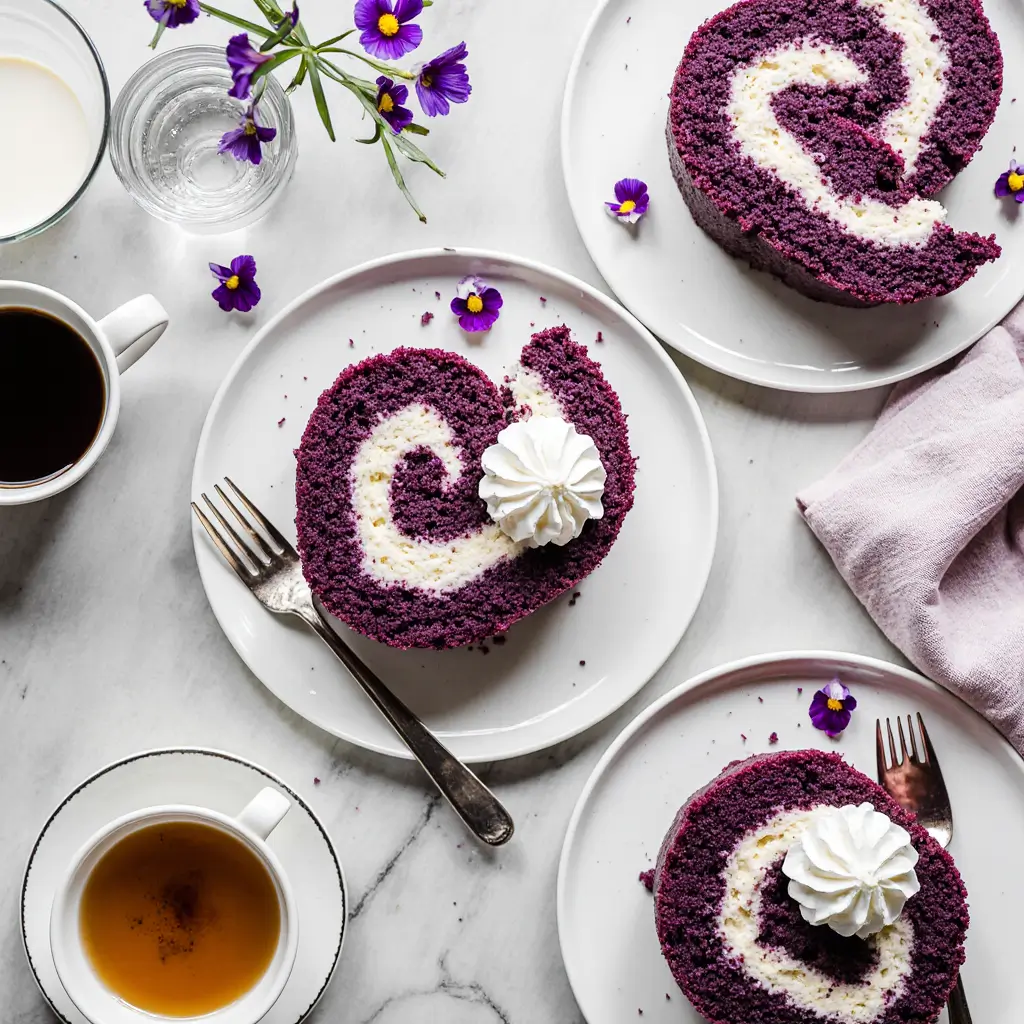
Common Problems and Solutions
Cracking during rolling is the most frequently reported issue, usually caused by either overbaking the sponge, insufficient cooling, or attempting to roll while the cake is still warm. Remember that sponge cakes continue cooking slightly after removal from the oven due to residual heat. Allow your cake to cool to room temperature on a baking sheet before attempting to roll it. If your cake is still cracking despite these precautions, try lightly misting the surface with a simple syrup (equal parts water and sugar) just before rolling—this adds moisture and flexibility to the cake structure.
Another common challenge is filling that’s either too firm or too liquid. If your ube buttercream is too stiff, it will resist spreading and could tear the delicate cake; if it’s too soft, it will ooze out during rolling and slicing. Room temperature filling—not fresh from the refrigerator—spreads most easily. If your whipped cream filling is weeping or separating, you likely over-whipped it past stiff peaks. Whipped cream should be beaten only until stiff peaks form, not until it becomes grainy or butter-like.
Uneven purple colour sometimes occurs if your ube extract isn’t fully incorporated into the batter. Always whisk your egg yolks with the ube extract and vanilla before folding in the whipped egg whites. If your ube isn’t naturally purple enough, don’t hesitate to add a teaspoon or two of purple food colouring—professional bakers do this regularly to ensure consistent results.
Professional Tips from Experienced Bakers
Temperature management extends beyond the oven. Ensure all your ingredients are at the proper temperature before beginning: egg yolks and whites should be at room temperature for optimal whipping, and cold ingredients prevent you from achieving the proper emulsion in your filling. Keep your filled and rolled ube roll cake refrigerated until serving time, as cold cakes slice more cleanly and the filling holds its shape better under the knife.
For an impressive presentation, consider adding a final touch of frosting to the exterior of your ube roll cake. A simple ube glaze or white cream cheese frosting creates a professional appearance and provides an additional layer of flavour. If applying exterior frosting, use an offset spatula and work with chilled frosting for the smoothest application.
Finally, invest in a quality cake roll mat or well-fitted parchment paper. This small investment prevents sticking and helps you create neat, uniform rolls every time.
FAQ: Your Ube Roll Cake Questions Answered
Q: How long does an ube roll cake last, and how should I store it?
A: A properly stored ube roll cake remains fresh for 3-4 days when refrigerated in an airtight container. The whipped cream filling has a shorter lifespan than buttercream, so whipped cream-filled ube roll cakes are best consumed within 2-3 days. You can also freeze an ube roll cake for up to one month, though whipped cream filling may separate slightly upon thawing. Buttercream-filled ube rolls freeze better and retain their quality more consistently.
Q: Can I make an ube roll cake without ube extract or puree?
A: While ube extract and puree provide authentic flavour, you can substitute with a combination of purple food colouring, vanilla extract, and a pinch of nutmeg for a similar flavour profile in your ube roll cake, though the result won’t be identical to the traditional version. Some bakers have experimented with using purple sweet potato as a replacement, though this requires cooking and pureeing fresh potatoes and adjusting your liquid ratios accordingly.
Q: What’s the best way to slice an ube roll cake without it falling apart?
A: Use a sharp serrated knife dipped in hot water and wiped clean between each slice. The heat slightly softens the frosting, helping to create cleaner cuts. Working with a chilled ube roll cake, letting it sit at room temperature can cause the filling to soften too much, making clean slices more difficult. If your roll is still warm or the filling is too soft, place it in the freezer for 15-20 minutes before slicing.
Conclusion: Your Ube Roll Cake Adventure Awaits
Creating an ube roll cake at home might have seemed intimidating at first. Still, armed with this comprehensive guide, you now possess all the knowledge necessary to bake a stunning dessert that rivals professional bakeries. The key to success lies in understanding the science behind the sponge cake, mastering your chosen filling, and implementing the professional techniques that experienced bakers use. Whether you prefer a lighter whipped cream filling or a richer buttercream, whether this is your first attempt or you’re refining your technique, remember that each ube roll cake you create builds your skills and confidence.
The beauty of ube roll cake extends beyond its vibrant appearance and delicious taste—it represents a celebration of Filipino culinary heritage and the joy of creating something meaningful in your own kitchen. So gather your ingredients, preheat your oven, and embark on this delicious adventure. Your friends and family will be amazed, and you’ll discover that making an ube roll cake is not just possible—it’s genuinely enjoyable.
Ready to create your masterpiece? Try making an ube roll cake this weekend, and don’t hesitate to share your beautiful creation on social media or in the comments below. Have you made an ube roll cake before? What’s your favourite filling or variation? We’d love to hear about your experience!

